After the Storm: A Homeowner's Guide to Navigating Roof Damage Insurance Claims
The weather here in Virginia can be unpredictable. One minute it’s sunny, and the next, a severe storm rolls through, bringing high winds, driving rain, and hail. When the storm passes, the last thing any homeowner wants to discover is damage to their roof. A leak, missing shingles, or dents from hail can feel overwhelming, and the thought of dealing with an insurance claim only adds to the stress. For many homeowners in the Stafford area, this is an unfortunate reality.
Filing an insurance claim for roof damage can be a confusing and complicated process. What's covered? How do you start? Who can you trust to do the repairs? At Home Brigade, we believe you shouldn't have to navigate this alone. This guide will walk you through the essential steps, from initial damage assessment to filing your claim, helping you restore your home and your peace of mind.
Step 1: Prioritize Safety and Document Everything
Immediately after a severe storm, your first priority is to ensure your family is safe. Once the storm has completely passed, you can begin to assess the situation. Here’s what to do:
- Safety First: Before you do anything else, check for immediate hazards like downed power lines or unstable tree limbs. If you see significant structural damage, it may be best to stay out of the house until it's been deemed safe.
- Inspect from the Ground: Walk around your property and look for obvious signs of damage. You might see shingles in your yard, dented gutters, or visible damage to siding. Take photos and videos of everything you find.
- Check Inside: Look for signs of water intrusion in your attic and on your ceilings. Dark spots, peeling paint, and active drips are clear indicators of a leak. Document these areas with detailed photos.
- Take Detailed Notes: Write down the date and time of the storm and a description of all the damage you've found. The more documentation you have, the smoother your claim process will be.
If you have an active leak, it's important to take temporary measures to prevent further water damage, like placing buckets to catch drips. For more significant issues, a professional roof repair team can perform emergency tarping to protect your home while you begin the claims process.
Step 2: Understand Your Policy and Contact Your Insurer
Before you pick up the phone, it’s helpful to have a basic understanding of your homeowner's insurance policy. While the fine print can be dense, there are a few key terms you should know:
- Deductible: This is the amount you are responsible for paying out-of-pocket before your insurance coverage kicks in. This amount will be subtracted from your final claim settlement.
- Replacement Cost Value (RCV): This coverage pays for the full cost of replacing your damaged roof with new, similar materials, without deducting for depreciation.
- Actual Cash Value (ACV): This coverage pays the replacement cost of your roof minus depreciation. An older roof will receive a smaller settlement than a newer one under an ACV policy.
Once you've reviewed your policy, contact your insurance company to start the claims process. They will assign you a claim number and schedule a visit from an insurance adjuster. This is a critical point in the process, and it leads to our next, most important step.
Step 3: Get a Professional Roofing Inspection
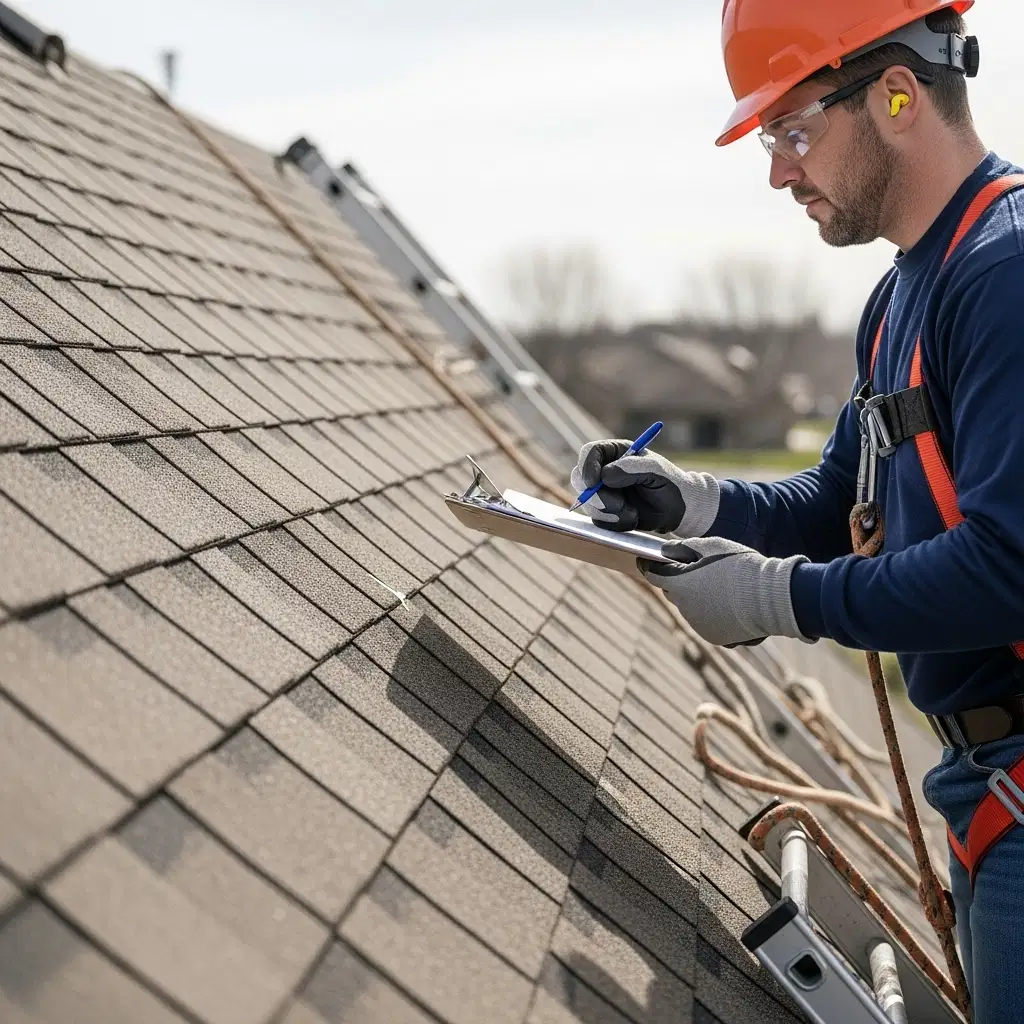
While your insurance company's adjuster is trained to assess damage, they work for the insurance company. It is always in your best interest to have your own expert advocate. Before the adjuster arrives, you should schedule a free, comprehensive inspection with a trusted local roofing contractor.
An experienced roofer can identify subtle but significant issues that an adjuster might overlook, such as hail bruising that can compromise the integrity of your shingles over time. At Home Brigade, our inspection process is thorough. We take detailed photos, assess the attic for hidden leaks, and can even use modern technology like drones to get a complete picture of your roof's condition.
Having this detailed, professional report provides several advantages:
- It provides a benchmark to compare against the adjuster's findings.
- It ensures all damage is documented, maximizing your chances of a fair settlement.
- It gives you a reliable estimate for the cost of a full roof replacement or repair, based on current material and labor costs.
When the adjuster visits, we recommend having your roofer present. They can walk the roof with the adjuster, point out specific areas of damage, and ensure the scope of work is accurate and complete.
Step 4: Review the Settlement and Choose Your Contractor
After the adjuster's inspection, you will receive a report detailing the covered damages and the estimated settlement amount. Review this document carefully with your roofing contractor. If there are discrepancies between their report and your contractor's inspection, your roofer can help you communicate with the insurance company to ensure the settlement is fair and covers all necessary work.
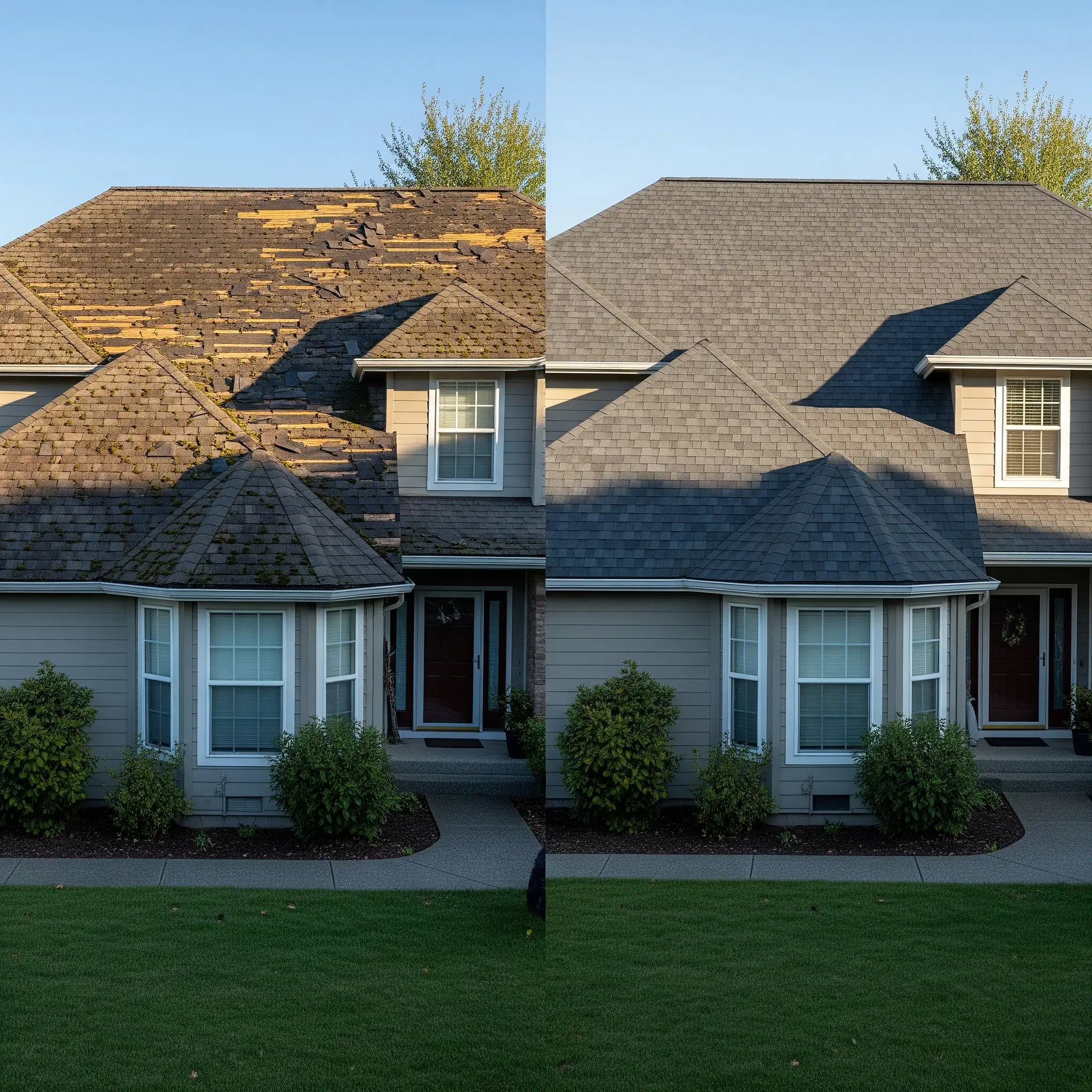
Once you've agreed on the scope and received your initial payment from the insurer (often minus your deductible and any depreciation), you can sign a contract and schedule the work. Choose a contractor who is not only an expert in roof installation but also has experience working with insurance claims and understands local requirements, including any specific HOA guidelines common in our communities.
A reputable contractor will handle the entire project, from tear-off and installation to a meticulous final cleanup, keeping you informed every step of the way. They will then provide the necessary documentation to your insurance company to release the final payment.
Your Partner in Storm Recovery
Dealing with a storm-damaged roof is never easy, but you don't have to handle the complex insurance process on your own. By taking immediate steps to document the damage, understanding your policy, and partnering with an experienced roofing professional, you can ensure your home is properly protected and restored.
If a recent storm has impacted your home in the Stafford area, contact Home Brigade today. We offer comprehensive damage inspections and can guide you through every step of the insurance claims process. Let our team provide the expertise and support you need to secure your home for years to come. Get in touch with us for a free inspection.